
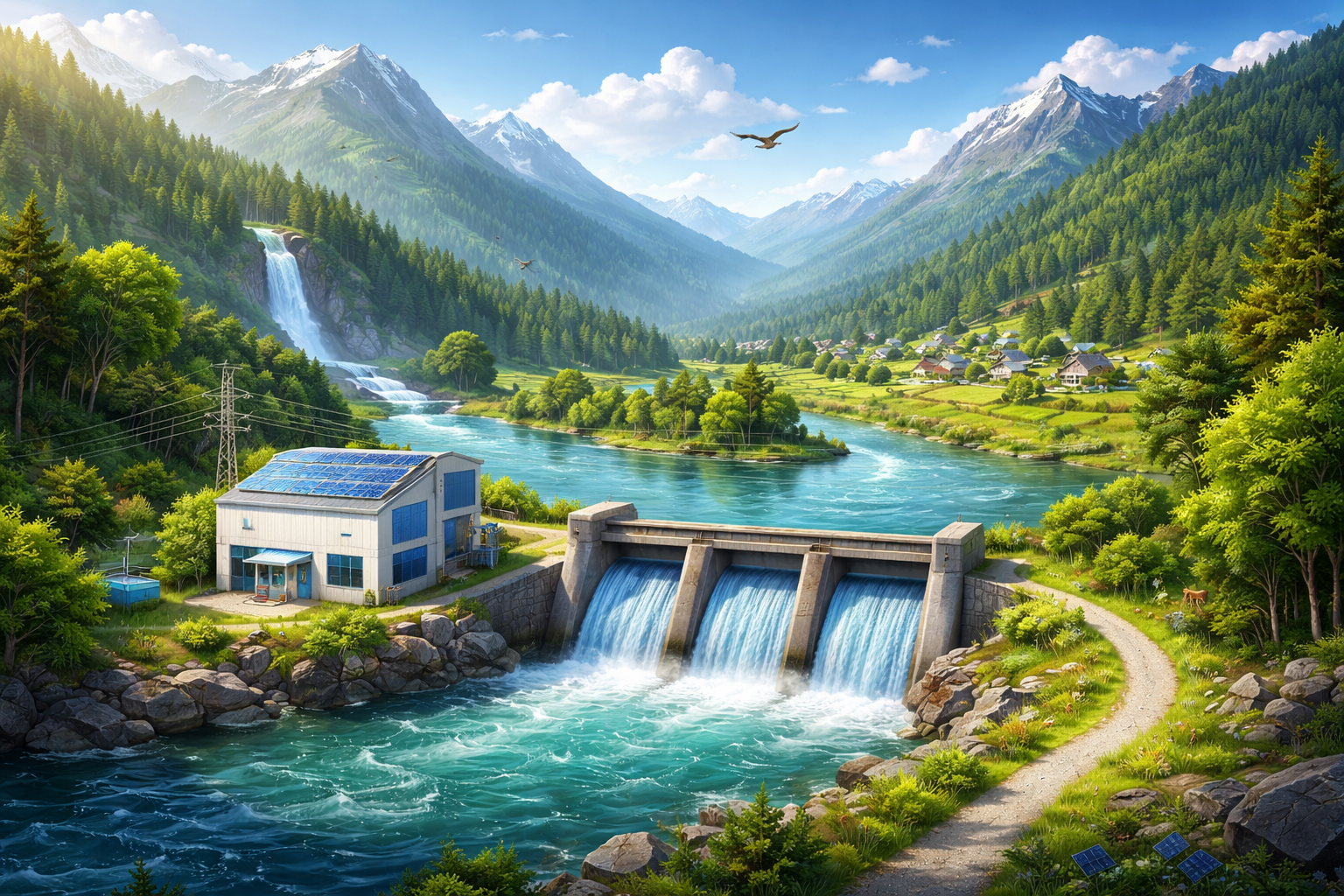
As the global demand for clean and reliable energy continues to rise, energy leaders are actively exploring innovative solutions that balance sustainability with efficiency. One such powerful yet often underutilized solution is small hydro development. With its ability to generate clean electricity while preserving ecological balance, small hydropower is rapidly gaining recognition as a key driver of regional sustainability and energy security.
What is Small Hydro Development?
Small hydro refers to hydroelectric power projects that typically generate up to 10 MW of electricity. Unlike large dams, these systems use the natural flow of rivers or streams without significantly altering the surrounding environment. They are designed to be less invasive, more cost-effective, and easier to implement, making them ideal for both rural and semi-urban areas.
Why Small Hydro Matters Today
In an era defined by climate change and energy transitions, small hydro projects offer a compelling alternative to fossil fuels. They produce zero direct emissions, making them an environmentally friendly energy source. Moreover, they provide consistent and reliable power, unlike some other renewable sources that depend on weather conditions.
Energy leaders recognize that achieving long-term sustainability goals requires a diversified energy mix. Small hydro plays a critical role in this mix by complementing solar and wind energy systems. It ensures grid stability and supports peak demand, especially in regions where energy infrastructure is still developing.
Environmental and Economic Benefits
One of the most significant advantages of small hydro is its minimal environmental impact. Since these systems do not require large reservoirs, they avoid the displacement of communities and reduce disruption to aquatic ecosystems. Water continues to flow naturally, preserving biodiversity and maintaining ecological balance.
From an economic perspective, small hydro projects create local job opportunities and stimulate regional development. They reduce dependence on imported fuels and contribute to energy independence. Additionally, their long operational life and low maintenance costs make them a financially viable investment for governments and private stakeholders alike.
Supporting Regional Sustainability Goals
Small hydro development is not just about generating electricity—it’s about empowering communities. In remote and rural areas, access to reliable energy can transform lives. It enables better healthcare, improved education, and enhanced economic activities.
By decentralizing power generation, small hydro systems reduce transmission losses and ensure that energy reaches even the most underserved regions. This aligns perfectly with regional sustainability goals, promoting inclusive growth and long-term resilience.
The Role of Energy Leaders
Energy leaders play a crucial role in driving the adoption of small hydro solutions. Their vision, innovation, and commitment to sustainability are essential for scaling these projects. By investing in research, technology, and policy advocacy, they can unlock the full potential of small hydropower.
Collaboration between governments, private sectors, and environmental organizations is key to overcoming challenges such as regulatory barriers and initial investment costs. With the right support, small hydro can become a cornerstone of the global clean energy transition.
Challenges and Opportunities
While small hydro offers numerous benefits, it is not without challenges. Site selection, environmental clearances, and initial capital investment can pose hurdles. However, advancements in technology and increasing policy support are making it easier to overcome these obstacles.
Innovations such as micro-hydro systems and modular designs are expanding the scope of small hydro projects. These solutions are particularly effective in off-grid areas, where traditional energy infrastructure is difficult to establish.
A Vision for the Future
The future of energy lies in sustainable, decentralized, and resilient systems. Small hydro development embodies all these qualities, making it an essential component of modern energy strategies. As countries strive to meet their climate commitments, the importance of small hydro will only continue to grow.
Energy leaders who embrace this technology today are not just investing in power generation—they are investing in a cleaner, greener, and more equitable future.
Conclusion
Small hydro development stands as a testament to how innovation and sustainability can go hand in hand. It offers a practical solution to some of the most pressing energy challenges of our time while supporting regional growth and environmental conservation.
By leveraging the potential of small hydro, energy leaders can drive meaningful change and contribute to a sustainable energy future. The journey toward cleaner power begins with informed choices and collective action.
👉 Explore initiatives: https://www.g-eef.org/energyleadersummit26.html
